
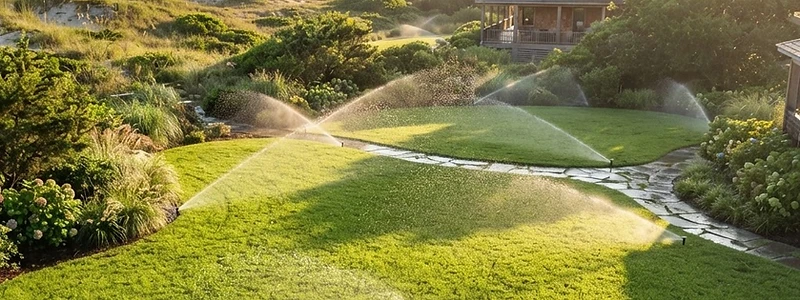
Optimizing Your Irrigation System for Sandy Coastal Soil
Understanding the Coastal Challenge: Why Sandy Soil Drains Differently
Living along the coast of North Carolina offers beautiful ocean breezes and mild winters, but it also presents a unique set of challenges for homeowners, particularly when it comes to maintaining a healthy lawn. If you reside in Wilmington, Hampstead, or on Topsail Island, you are likely familiar with our distinct sandy soil. While sandy soil is wonderful for drainage, it acts like a sieve, causing water to pass through the root zone rapidly. Unlike the clay-heavy soils found in the Piedmont, sandy soil requires a more surgical approach to irrigation.
The Anatomy of Efficient Coastal Irrigation
Frequency vs. Duration
In our sandy environment, the old adage of 'deep and infrequent' watering takes on a new meaning. Because water percolates so quickly, watering for long periods often leads to waste as the moisture migrates well below the root zone. Instead, we recommend shorter, more frequent irrigation cycles. This keeps the moisture available in the top 4 to 6 inches of soil where your grass roots live.
The Salt Air Factor
Salt air is a part of life in coastal North Carolina, but it can accelerate the corrosion of irrigation components. From sprinkler head seals to valve solenoids, salt can shorten the lifespan of your system. Regular inspections by the Futrell Landscapes team can help identify leaks or worn-out parts before they become costly repairs or landscape-killing dry patches.
Tailoring Systems for Your Grass Type
Caring for Bermuda and Zoysia
These warm-season grasses are popular for their salt tolerance and resilience, but they have different water requirements than cool-season varieties. Bermuda grass is a thirsty grower and can handle the rapid drainage of sandy soil, but it needs consistent moisture to maintain its deep green color. Zoysia, while more drought-tolerant, can suffer if the soil stays perpetually dry in the high heat of July and August.
Managing Centipede Turf
Centipede grass is the low-maintenance choice of the coast, but it is sensitive to overwatering and high alkalinity. In sandy soil, centipede needs precise, light watering. Over-irrigating not only wastes money but can also encourage fungal issues that are common in our humid, coastal climate.
Hurricane Season Preparedness
Living in the path of coastal storms means that your irrigation system needs to be 'storm-ready.' High winds and storm surges can wreak havoc on underground infrastructure. We suggest having an irrigation shut-off plan during hurricane season. If a major storm is forecasted, it is wise to shut down your controller and verify your master valve is functioning properly to prevent unnecessary water loss if pipes are damaged by uprooted trees or debris.
Seasonal Adjustments
Never set your irrigation controller to 'forget it.' Coastal North Carolina weather changes drastically from the spring bloom to the scorching dog days of summer. We recommend a seasonal audit of your system to ensure that your run times align with evaporation rates. Implementing a smart irrigation controller that tracks local weather data for Hampstead or Wilmington can automatically adjust your output, saving you money and protecting your investment.
FAQ
How do I know if my sandy soil needs more water?
Look for signs of wilt, such as grass blades curling or a bluish-grey tint to your turf. A simple screwdriver test also works; if the soil is difficult to push into, it is likely too dry.
Should I water at night or in the morning?
Always water in the early morning hours, between 4:00 AM and 8:00 AM. This minimizes evaporation from the wind and sun while ensuring the blades dry out during the day to prevent fungus.
How often should I have my system inspected?
We recommend a professional audit at least twice a year—once in the spring to start up the system and once in the fall to prepare for winterization and check for seasonal wear and tear.