Fall Hardscape Upgrades: Why Autumn Is the Best Time for New Coastal Patios
Why Autumn is the Premier Season for Hardscaping in Coastal NC
As the intense heat of the Wilmington and Hampstead summer finally begins to wane, many coastal homeowners turn their attention toward indoor projects. However, here at Futrell Landscapes, we believe autumn is the absolute best time to step outside and transform your outdoor living space. Installing a new patio during the fall months is not just about beating the summer humidity; it is a strategic move that sets your property up for success.
The Climatic Advantage
Coastal North Carolina presents a unique set of challenges for construction, primarily due to our sandy soil and high humidity. During the summer, saturated soil and extreme temperatures can make excavation and base preparation difficult. As we enter the drier, cooler months of October and November, the ground conditions become more stable. This allows our crews to achieve superior compaction for your paver base, which is the most critical step in preventing settling or shifting over time.
Protecting Your Coastal Turf
If you have a lush Bermuda, Zoysia, or Centipede lawn, you know that these grasses are sensitive to heavy foot traffic and equipment during their peak growing seasons. By scheduling your hardscape installation in the fall, you allow your grass to enter its period of dormancy without the stress of constant construction traffic. Furthermore, this timing provides a window for minor lawn repairs and overseeding to take root in the cooling temperatures, ensuring your yard looks pristine by the time spring arrives.
Designing for the Coast
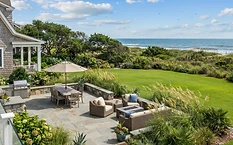
When planning a patio in areas like Topsail Island or Wilmington, you aren't just building a flat surface; you are designing a living space that must withstand salt air, coastal winds, and the occasional tropical weather event.
Material Selection for Salt Air Environments
Salt air is corrosive and persistent. For coastal hardscapes, we recommend high-quality, non-porous pavers or natural stone that won't degrade under the constant exposure to salinity. We prioritize materials that offer high slip-resistance, ensuring that your patio remains safe even when the humidity rises or the morning dew sets in.
Preparing for Hurricane Season
One of the most important considerations in coastal landscaping is drainage. Our sandy soil usually drains well, but heavy rainfall from seasonal storms can overwhelm a poorly designed patio. Our installation process focuses on proper grading and the integration of permeable solutions that manage water runoff effectively, protecting both your new hardscape and the integrity of your home's foundation.
Enhancing Your Outdoor Lifestyle
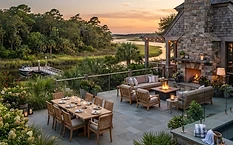
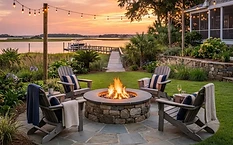
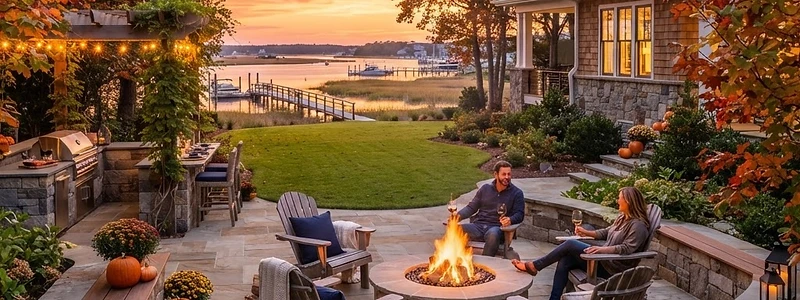
A new patio is more than just stone and grout; it is an extension of your home. Imagine hosting family gatherings around a custom fire pit as the evenings cool down in November, or enjoying a morning coffee without the sweltering heat of August. Fall is the perfect season to enjoy your outdoor space, and by completing the project now, you skip the spring rush when everyone else is scrambling to get their projects finished.
FAQ
Does a new patio increase my property value in NC?
Absolutely. In coastal markets like Wilmington and Hampstead, buyers prioritize outdoor living spaces. A well-designed, professionally installed hardscape significantly boosts curb appeal and provides a high return on investment.
How does the salt air affect my patio materials?
Salt air can accelerate the degradation of certain low-quality materials. We specialize in selecting premium, salt-resistant stone and concrete products that are engineered to stand up to the coastal environment without fading or crumbling.
How long does a typical hardscape installation take?
Depending on the scope of the project, most patio installations are completed within one to two weeks. Our team works efficiently to minimize disruption to your yard and local turf.
Is it too late to start a project now?
Not at all! Fall is our favorite time to build. The stable weather and ground conditions allow for a faster, more precise installation than the unpredictable, stormy summer months.