Bermuda vs. Zoysia: Choosing the Best Turf for Sandy North Carolina Soil
Choosing the Right Turf for Coastal North Carolina
Living in the Wilmington, Hampstead, and Topsail Island area offers incredible benefits, but our local environment presents unique challenges for homeowners. Our sandy soil composition, combined with the salt-laden air and the occasional intensity of hurricane season, means your lawn has to be tough. At Futrell Landscapes, we often see homeowners struggling to decide between the two heavy hitters of Southern landscaping: Bermuda grass and Zoysia.
Bermuda Grass: The Sun-Loving Powerhouse
Bermuda is often considered the standard for high-performance lawns in the South. Its aggressive growth rate and ability to handle intense heat make it a popular choice for properties throughout coastal North Carolina.
Why Bermuda Excels in Sandy Soil
Bermuda grass features an extensive root system that thrives in the well-draining, sandy soils common from Hampstead to the coastline. It requires plenty of sunlight—at least six to eight hours of direct exposure per day—making it ideal for open yards without heavy tree cover.
Pros and Cons
- Pros: Exceptional drought tolerance, rapid recovery from traffic or damage, and a vibrant green color during peak growing season.
- Cons: It is not shade-tolerant. If your property has large oak trees, Bermuda will struggle. It also requires frequent mowing and consistent nitrogen fertilization to look its best.
Zoysia: The Luxurious, Low-Maintenance Alternative
If you are looking for a carpet-like aesthetic that feels great underfoot, Zoysia is often the preferred choice. It has gained significant popularity in our area for its ability to provide a dense, weed-choking mat that looks incredibly manicured.
Adaptability to the Coastal Climate
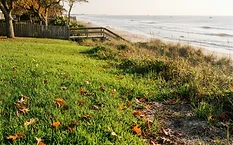
Zoysia is remarkably resilient. While it doesn't grow as fast as Bermuda, it is far more shade-tolerant, making it a versatile option for diverse landscapes. In terms of salt tolerance, Zoysia holds its own against the salty breezes typical of Topsail Island, maintaining its integrity even when closer to the oceanfront.
Pros and Cons
- Pros: Superior density, excellent shade tolerance compared to Bermuda, and a softer texture that is perfect for barefoot living.
- Cons: Zoysia grows slower, which means it takes longer to recover from physical damage. It also tends to turn straw-colored earlier in the fall compared to some Bermuda varieties.
Resilience Against Hurricane Season
One of the most important factors in our region is how turf handles the aftermath of severe weather. Both Bermuda and Zoysia are warm-season grasses that survive flooding better than cool-season varieties. Bermuda’s fast-spreading nature allows it to fill in gaps left by storm surge damage relatively quickly, while Zoysia’s deep root density can help stabilize sandy soil during heavy wind and rain events.
How to Decide
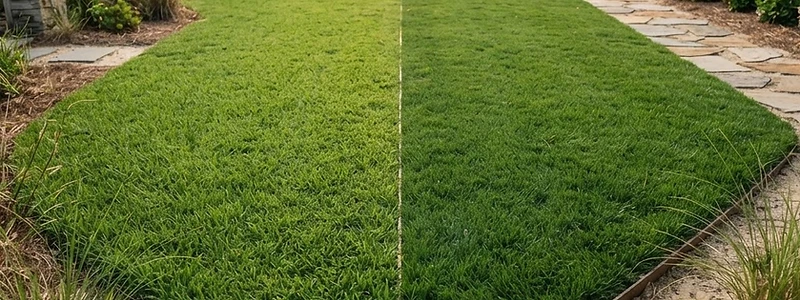
When working with our team at Futrell Landscapes, we look at three key variables: sun exposure, foot traffic, and your desired level of maintenance. If you have an open, sunny lot and want a rugged lawn, Bermuda is likely your match. If you have some shade and prioritize a soft, high-end aesthetic, Zoysia is the winner. We also occasionally recommend Centipede for low-maintenance, acidic soil sites where the homeowner prefers a 'set it and forget it' approach, though it lacks the durability of the other two.
FAQ
Does Zoysia grass really handle salt spray better than Bermuda?
Both varieties have good salt tolerance, but Zoysia is generally considered more resilient to direct coastal salt spray. If your property is directly on the water, Zoysia is often the safer bet.
How often should I fertilize my lawn in Wilmington?
Because our sandy soil leaches nutrients quickly, we recommend a consistent, light fertilization program rather than one or two heavy applications. We focus on nitrogen during the peak growth months of May through August.
Can these grasses survive a hurricane flood?
Yes, both Bermuda and Zoysia are well-adapted to warm climates and can survive temporary inundation. However, after the water recedes, clearing debris and ensuring the soil is not compacted is vital for recovery.
Which grass is easier to maintain for a busy homeowner?
Zoysia is generally lower maintenance because it grows more slowly, requiring less frequent mowing. Bermuda is faster-growing and will quickly look 'overgrown' if not mowed on a weekly schedule during the summer.