Preparing Your Wilmington Landscape for Hurricane Season Recovery
Assessing the Damage: The First Steps After the Storm
Living in coastal North Carolina means embracing the beauty of the Atlantic, but it also means respecting the power of hurricane season. At Futrell Landscapes, we have helped countless homeowners in Wilmington, Hampstead, and Topsail Island navigate the aftermath of major storms. Once the wind dies down and the skies clear, the recovery process begins. The first rule is safety: inspect your property for downed power lines, hanging branches, and standing water before you start any work.
Clearing Debris and Protecting Your Turf
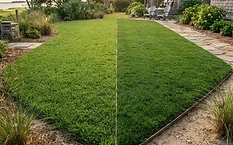
High winds often leave behind a massive amount of organic debris. Whether it is fallen limbs or windblown trash, clearing this debris promptly is essential for the health of your lawn. In our region, we see a lot of Bermuda, Zoysia, and centipede grasses. These warm-season grasses are resilient, but they cannot thrive if they are smothered by debris. Debris traps moisture, which can lead to fungal issues—a common problem in our humid, salty environment.
Dealing with Salt Spray and Sandy Soil
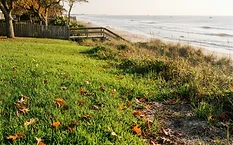
One of the unique challenges of coastal landscaping is the combination of sandy soil and salt spray. After a storm, salt can coat the leaves of your shrubs and ornamental trees, causing "leaf burn." If you notice your plants turning brown or wilting, a light freshwater rinse can help wash away the salt buildup. Furthermore, sandy soil drains quickly, which is great for avoiding root rot, but it also leaches nutrients. After a heavy storm, your lawn may need a gentle application of fertilizer to regain its color, but wait until the soil is no longer saturated.
Structural and Hardscape Restoration
Beyond the turf and plants, hurricane winds can wreak havoc on hardscapes. Paver patios, retaining walls, and outdoor lighting systems often shift during extreme weather. Check your pavers for unevenness and clear any drainage channels that have been clogged by sediment washed away from storm surges or heavy rain. If you notice structural issues with your hardscapes, it is best to call in a professional to ensure the site remains safe and properly graded to prevent future erosion.
Rebuilding Your Landscape Resilience
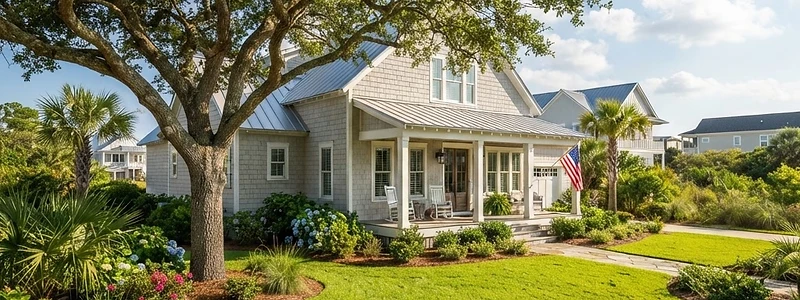
Once the cleanup is done, consider your property’s future. Choosing native plants that are wind-tolerant and salt-hardy is the best insurance policy for future hurricane seasons. Trees like Live Oaks and Sabal Palms are the gold standards for coastal resilience. At Futrell Landscapes, we specialize in helping our clients redesign areas that were hit hard, ensuring that their outdoor living spaces are as tough as they are beautiful.
FAQ
How long should I wait to fertilize my lawn after a hurricane?
It is best to wait until the soil moisture has returned to normal levels and the grass shows signs of new growth. Fertilizing saturated, water-logged soil can lead to runoff, which is bad for our coastal waterways.
Does salt spray kill my plants immediately?
Not necessarily, but it will cause damage if left untreated. If you have had a storm with significant coastal spray, rinsing the foliage of your landscape plants with fresh water can prevent salt toxicity.
Should I clear all the mulch that washed away?
Yes, clear out any displaced mulch that has washed into your lawn or flower beds. Re-mulching after the cleanup is finished helps retain soil moisture and protects the root systems of your plants during the hot post-storm recovery period.
What should I look for in my irrigation system?
Check your sprinkler heads for damage and ensure the lines weren't crushed by falling debris or shifted by heavy ground movement. A quick run-through will reveal any leaks that need professional repair.