
Preparing Your Coastal Lawn for Fall: Overseeding Bermuda and Zoysia
Embracing the Coastal Fall Transition
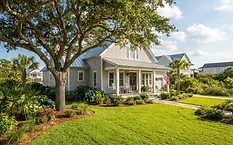
Living in coastal North Carolina—from the bustling streets of Wilmington to the quiet shores of Topsail Island—means dealing with a unique set of environmental factors. While the rest of the country prepares for a hard freeze, our "fall" is a delicate dance between lingering heat, increased humidity, and the tail end of hurricane season. For local homeowners with Bermuda or Zoysia lawns, this is a critical time to prepare for dormancy.
Understanding Our Coastal Soil and Climate
Our sandy soils drain rapidly, which is great for preventing waterlogging during heavy tropical downpours but poses a challenge for nutrient retention. As we move into the cooler months, the salt air can also take a toll on plant health. Overseeding your warm-season turf isn't just about aesthetics; it's about protecting the root system before the ground temperature drops.
The Truth About Overseeding Bermuda and Zoysia
Many homeowners ask us at Futrell Landscapes: 'Should I overseed my Bermuda or Zoysia?' The answer depends on your goal. Unlike Fescue, which is a cool-season grass that thrives in winter, Bermuda and Zoysia are warm-season grasses. They go dormant (turn brown) when temperatures drop consistently below 60 degrees.
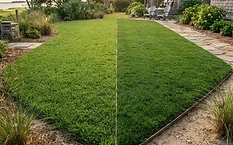
If you want green grass all winter, you can overseed with Perennial Ryegrass. However, be aware that this 'winter cover' will compete with your permanent turf for water and nutrients. If you prefer to let your grass go naturally dormant to preserve its energy for a strong spring wake-up, we recommend focus on aeration and fertilization instead of overseeding.
Essential Fall Maintenance Steps
1. Aeration is Non-Negotiable
In our coastal region, soil compaction is a major issue, especially with sandy-clay mixtures. Core aeration helps break up the soil, allowing oxygen, water, and nutrients to reach the roots of your Zoysia or Bermuda. We recommend doing this while the grass is still actively growing in early autumn.
2. Soil Testing for Hurricane Aftermath
Heavy rains from late-summer storms can leach vital nutrients out of our sandy soil. Before applying a fall fertilizer, perform a soil test. You need to ensure your pH levels are balanced so that your turf can absorb the potassium it needs to harden off for the winter.
3. Proper Irrigation Management
As the humidity drops, don't make the mistake of assuming your lawn doesn't need water. While you don't need the heavy volume of mid-July, your lawn still needs moisture to prevent the crown of the grass from desiccating under the drying coastal breeze.
Preparing for Dormancy
Letting your Bermuda or Zoysia enter dormancy properly is the best way to ensure a lush, green lawn come April. Avoid heavy nitrogen applications late in the season, as this can force tender growth that will be killed by the first frost. Instead, focus on a balanced, potassium-rich fertilizer to strengthen the cellular structure of your grass blades.
FAQ
Q: Can I overseed my Zoysia with Fescue for the winter?
We generally advise against this. Zoysia has a dense growth habit, and overseeding with Fescue can create too much competition for light and nutrients, often leading to a patchy lawn in the spring. It is better to focus on a healthy winter dormancy program.
Q: How does the salt air affect my fall lawn care?
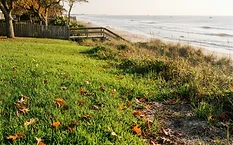
Salt spray can dehydrate grass blades. If you live directly on the oceanfront in Topsail or Wrightsville Beach, consider rinsing your lawn with fresh water if heavy winds have blown salt onto the turf for extended periods.
Q: When is the best time to aerate in Wilmington?
Early September to mid-October is the 'sweet spot' for our coastal region. This gives the soil enough time to benefit from the process before the soil temperature drops too low for the roots to recover.